Getting dental implants can change your smile, but you probably want to know what happens after surgery. How long does dental implant recovery take, and what will each week feel like?
Most dental implant recovery follows a clear pattern: the first two weeks focus on healing your gums, and full bone healing takes three to six months while you return to normal life.
You may notice swelling, mild pain, and a soft food diet at the start. Within a couple of weeks, you can usually get back to your regular routine while your implant bonds with your jawbone.
Knowing what to expect week by week helps you feel calm and prepared.
This guide walks you through the dental implant recovery timeline, step by step, so you understand what feels normal, when to call your dentist, and when you can expect your final tooth.
Key Takeaways
- Dental implant recovery starts with gum healing in the first two weeks and bone healing over several months.
- You can manage discomfort and protect your implant with proper care and follow-up visits.
- Your final crown is placed after your implant fully bonds with your jawbone.
Table of Content
- Stages of Healing After Dental Implant Surgery
- Week-by-Week Recovery Timeline
- Essential Aftercare and Follow-Up
- Factors Affecting Recovery and Implant Longevity
- Health, Bone Quality, and Lifestyle
- What to Expect with Your Final Restoration
- Frequently Asked Questions
Stages of Healing After Dental Implant Surgery
Healing after dental implant surgery happens in clear phases. Each stage builds on the last, from implant placement to attaching your final crown.
Surgical Placement and Initial Recovery
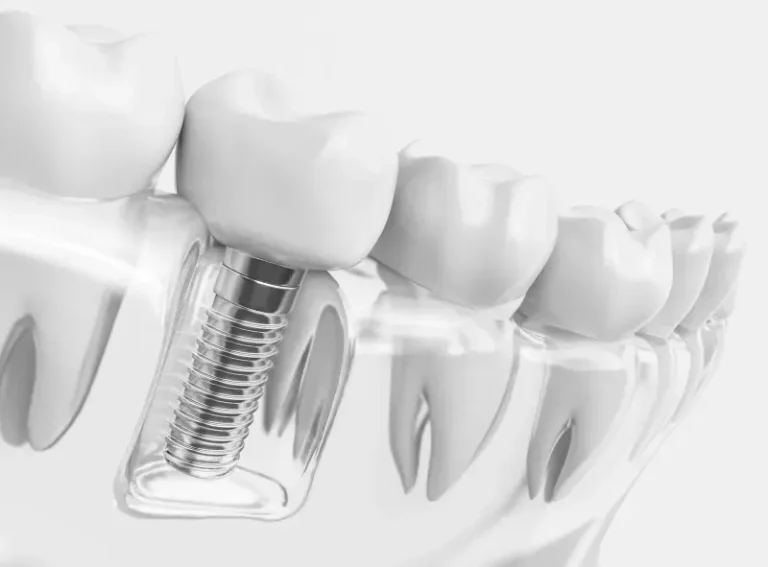
Your dentist or oral surgeon begins by placing a titanium implant post into your jawbone. This step is called implant placement.
Right after surgery, you can expect mild bleeding, swelling, and soreness for 24 to 48 hours. Ice packs and prescribed pain medicine help control discomfort.
You should rest with your head raised and avoid heavy activity.
During this time, you will:
- Bite on gauze to control bleeding
- Eat soft, cool foods
- Avoid smoking and alcohol
- Take medications exactly as directed
The first two days focus on protecting the surgical site. Swelling usually peaks around day two, then slowly improves. Clear instructions from your provider can help you manage this early stage safely.
Soft Tissue Healing in the First Weeks
In the first one to two weeks, your gums begin to close around the implant post. This stage is called soft tissue healing.
You may still notice mild tenderness, but pain should decrease each day. Redness and swelling slowly fade. Stitches, if used, may dissolve on their own or get removed at a follow-up visit.
Good oral hygiene is critical now. You should:
- Brush gently with a soft toothbrush
- Avoid brushing directly over the implant for the first few days
- Rinse with a dentist-approved mouthwash
- Keep food debris away from the area
By the end of week two, most of the gum tissue has healed. Many patients return to normal routines during this phase. However, healing under the surface is still in progress.
Bone Integration and Osseointegration
After your gums heal, the most important process begins: osseointegration.
Osseointegration happens when your jawbone fuses with the titanium implant post. Bone cells grow around the implant and lock it in place.
This step creates the strong base needed to support your implant crown.
This phase takes time. For most people, it lasts three to six months, depending on bone health and overall health.
During this period:
- You usually do not feel the implant bonding to bone
- You should attend scheduled checkups
- You must keep your mouth clean to prevent infection
Smoking, uncontrolled diabetes, and poor hygiene can slow healing. Osseointegration determines long-term stability, so patience is important.
Placing the Abutment and Final Crown
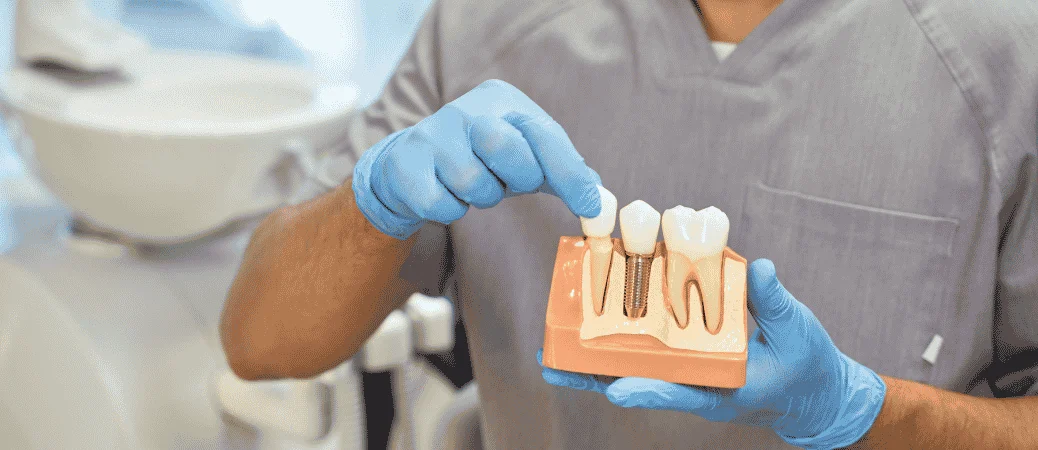
Once osseointegration is complete, your provider attaches a small connector called an abutment to the implant post. The abutment holds the final crown in place.
This step may require a minor procedure to expose the top of the implant if it sits under the gum. Your gums need about one to two weeks to heal around the abutment.
After healing, your dentist places the final crown, also called the implant crown. The crown is custom made to match the color and shape of your natural teeth.
When secured, the implant crown restores:
- Chewing strength
- Clear speech
- Normal appearance
At this point, your dental implant surgery process is complete. With daily brushing, flossing, and regular dental visits, your implant can function like a natural tooth for many years.
Week-by-Week Recovery Timeline
Your dental implant recovery timeline follows a clear pattern.
Pain and swelling improve first, then your gums heal, and finally your bone fuses to the implant during a longer implant healing time that you may not even notice.
Days 1–3: Managing Pain and Swelling
The first 72 hours focus on comfort and control. You will likely notice swelling, mild bleeding, and soreness once the numbness wears off.
Swelling often peaks around day three.
Use this routine:
- Take pain medicine as prescribed.
- Apply ice packs for 20 minutes on, 20 minutes off during the first 24–48 hours.
- Rest with your head slightly elevated.
- Avoid heavy lifting or intense exercise.
Light oozing is common during the first day. Bite gently on gauze for 30–45 minutes if needed. Call your dentist if bleeding feels heavy or does not slow down.
First Week: Diet and Oral Hygiene
During the first week, you protect the surgical site. Your goal is to avoid pressure while keeping your mouth clean.
Stick to soft foods such as scrambled eggs, yogurt, mashed potatoes, pasta, and smoothies eaten with a spoon. Avoid straws, crunchy snacks, nuts, chips, and tough meats.
Chew on the opposite side of your mouth.
Oral hygiene still matters. Brush your other teeth normally, but stay gentle around the implant site. Start warm salt water rinses 24 hours after surgery and repeat them 3–4 times a day.
By the end of week one, most people notice less pain and better comfort.
Many patients return to normal daily activities within 7–14 days, even though deeper implant healing continues.
Weeks 2–4: Reduced Discomfort and Gum Healing
Swelling and bruising usually fade by week two. Your gums begin to look pink and firm instead of red and irritated.
If you have stitches, they may dissolve on their own or your dentist may remove them at a follow-up visit. Do not pull at them.
You can slowly add more soft solid foods like cooked vegetables, soft chicken, and rice. Still avoid hard, sticky, or crunchy foods that could disturb the implant.
During this stage of your implant recovery timeline, the outer tissue heals faster than the bone underneath. The area should feel stable and less tender each week.
Contact your dentist if you feel increasing pain, swelling, or movement in the implant.
Months 1–3: Silent Bone Healing
This phase is quieter but very important. Your jawbone fuses to the titanium post in a process called osseointegration.
You usually feel little to no discomfort now. However, deep dental implant healing is still happening below the gum line.
Bone cells grow and attach directly to the implant surface. This bonding can take three to six months, depending on your health, bone quality, and whether you needed grafting.
Support implant healing by:
- Brushing twice daily with a soft brush
- Flossing carefully around the area
- Avoiding smoking
- Attending all follow-up visits
Your implant should feel solid, not loose. This steady, silent phase completes the most critical part of your implant healing time and prepares you for the final crown.
Essential Aftercare and Follow-Up
Your daily habits and your follow-up appointments play a direct role in how well your implant heals. Clear care steps, the right tools, and knowing the warning signs help protect your investment.
Aftercare Instructions for Implant Success
The first 1–2 weeks matter most. Protect the surgical site and avoid pressure on the implant.
Follow these basic rules:
- Do not chew on the implant side until your dentist clears you.
- Avoid straws, smoking, and alcohol during early healing.
- Eat soft foods like eggs, yogurt, fish, and mashed vegetables.
- Sleep with your head elevated for the first few nights.
Take all prescribed antibiotics exactly as directed. Use pain medicine only as instructed.
Cold compresses help control swelling during the first 48 hours. After that, gentle saltwater rinses can support healing if your dentist approves.
Staying consistent with these steps reduces the risk of complications and supports strong bone bonding.
Follow-Up Appointments and Check-Ups
Do not skip your follow-up appointments. Your dentist checks how well the implant bonds with your jawbone and looks for early signs of trouble.
Most patients return for a visit about 1–2 weeks after surgery. Another dental check-up often happens around 3–4 weeks.
Your provider may take X-rays a few months later to confirm bone growth around the implant.
During these visits, your dentist will:
- Check for swelling or infection
- Make sure stitches dissolved or were removed properly
- Confirm the implant feels stable
- Plan the timing for your crown
Even after the crown is placed, schedule regular dental check-ups every six months. Implants require the same long-term care as natural teeth.
Oral Hygiene Tools for Implants
Clean around your implant every day. Plaque buildup can inflame the gums and threaten stability.
Brush twice a day with a soft-bristled toothbrush. Angle the brush gently toward the gumline. Do not scrub hard.
Add these tools to your routine:
- Implant-specific floss or unwaxed floss
- Interdental brushes with soft, coated wire
- A low-pressure water flosser if your dentist approves
Implant-specific floss slides under the crown and around the implant post. It removes debris that a toothbrush cannot reach.
Avoid metal picks or sharp tools. They can scratch the implant surface.
If your gums bleed often or look swollen, call your dentist. Healthy tissue around the implant should look pink and firm, not red or puffy.
Warning Signs to Watch For
Some discomfort is normal at first. Ongoing or worsening symptoms are not.
Call your dentist right away if:
- Your implant feels loose
- Pain increases after it had improved
- You notice pus, bad taste, or strong odor
- Swelling gets worse after the first few days
- You develop a fever
These may be signs of implant failure or infection. Early treatment improves the chance of saving the implant.
Also pay attention to changes when chewing. Pressure or shifting sensations are not normal once healing progresses.
Trust what you feel. If something seems off, schedule a visit. Quick action can prevent bigger problems later.
Noticing swelling, pain, or implant movement? Talk to our dentist right away for proper care.
Factors Affecting Recovery and Implant Longevity
Your body, your habits, and your daily care all shape how well your implant heals.
Strong bone, good health, and smart routines lower the risk of implant failure and support long-term implant longevity.
Health, Bone Quality, and Lifestyle
Your overall health plays a direct role in healing.
If you have diabetes, you must keep your blood sugar under control. High blood sugar slows healing and raises the risk of infection.
Smoking also reduces blood flow to your gums, which can delay bone fusion and increase the chance of implant failure.
Bone quality matters just as much. Your implant must fuse to solid jawbone during osseointegration.
If your bone is thin or soft, your dentist may suggest bone grafting before or during implant placement.
Lifestyle choices affect results every day. Poor nutrition, heavy alcohol use, and skipped dental visits can all shorten implant longevity.
You give your smile restoration the best chance to last when you support your body with healthy habits.
How to Reduce Risk of Implant Failure
You can take clear steps to lower your risk.
Follow all post-surgery instructions, especially during the first two weeks. Eat soft foods, avoid chewing on the implant side, and keep the area clean without brushing too hard.
Watch for warning signs such as:
- Ongoing pain after the first week
- Swelling that gets worse instead of better
- A loose or moving implant
- Pus or bad taste near the site
Contact your dentist right away if you notice these problems. Implant failure is uncommon, but early treatment can prevent bigger issues.
Regular checkups also matter. Healing continues for several months, even when you feel normal. Professional exams during this time help confirm that your implant remains stable.
Habits for a Lifetime Smile Restoration
Long-term implant longevity depends on daily care.
Brush twice a day with a soft toothbrush. Clean around the implant crown carefully, and floss once a day. Many dentists recommend a water flosser or interdental brush to remove plaque near the gumline.
Avoid chewing ice, hard candy, or pens. These habits place extra force on your crown and can damage the restoration or surrounding bone.
If you grind your teeth at night, ask about a custom night guard. Grinding creates strong pressure that can weaken your implant over time. With the best restorative care dentistry, you can keep your implant strong for many years.
What to Expect with Your Final Restoration
Your healing phase leads to the placement of your permanent tooth. At this stage, your implant crown restores both function and appearance so you can use your mouth with confidence again.
Final Crown Placement
Once your implant bonds with the bone, your dentist schedules your final crown placement. This step finishes the dental implant procedure.
Your dentist checks the implant site and may take new impressions or digital scans. A dental lab uses these details to create a custom implant crown that matches the color and shape of your natural teeth.
At your appointment, your dentist attaches the crown to an abutment. The abutment connects the implant post to the visible crown. You may receive either:
- A screw-retained crown (secured with a small screw)
- A cement-retained crown (bonded in place with dental cement)
You may feel mild pressure, but you should not feel pain. Once placed, the crown should feel stable and aligned with your bite. If your bite feels uneven, tell your dentist so they can adjust it right away.
Returning to Normal Eating

After your implant crown is placed, you can slowly return to your normal diet. Most people resume regular eating within a few days.
Start with softer foods if your gums feel tender. Avoid very hard items like ice, hard candy, or popcorn kernels during the first week.
Your implant does not contain nerves, but the surrounding tissue does. Pay attention to soreness or swelling as you reintroduce firmer foods.
Most patients regain full function once healing is complete. When fully restored, your implant should allow you to:
- Chew meat and raw vegetables
- Speak clearly
- Bite without shifting or slipping
If you feel sharp pain while chewing, contact your dentist for an evaluation.
Long-Term Implant Care
Your implant crown cannot get cavities, but plaque can still build up around it. Daily care protects your gums and the bone that supports the implant.
Brush twice a day with a soft toothbrush. Clean around the implant carefully, especially near the gumline. Floss daily using standard floss or implant-specific floss if your dentist recommends it.
Regular dental visits remain important. During checkups, your dentist checks the implant, crown, and surrounding tissue. Professional cleanings remove hardened plaque you cannot remove at home.
A stable implant depends on healthy bone integration, which typically develops over several months. Protect your restoration by avoiding tobacco use and by wearing a night guard if you grind your teeth.
With steady care, your implant crown can remain secure and functional for many years.
Frequently Asked Questions
Healing after a dental implant follows a clear pattern. You will notice changes in swelling, pain levels, diet limits, and follow‑up steps as the weeks pass.
What should I expect during the first week after getting a dental implant?
During the first 24 to 72 hours, you will likely have swelling, mild bleeding, and soreness. Your dentist may advise rest, cold compresses, and soft foods.
By days four to seven, swelling should go down. Bruising can appear, then fade. Stitches may dissolve on their own or get removed at a short follow‑up visit.
How painful is dental implant recovery, and when does discomfort usually improve?
Most people describe the pain as soreness or pressure, not sharp pain. You can often manage it with over‑the‑counter pain medicine or medication your dentist prescribes.
Discomfort usually peaks within the first two to three days. It should improve steadily after that.
If pain gets worse after several days instead of better, contact your dentist. That change may signal a problem.
How can I tell if my dental implant is healing normally or if something is wrong?
Normal healing includes mild swelling, light bleeding the first day, and gum tenderness. These signs should improve within a week.
Warning signs include heavy bleeding, pus, fever, or severe pain that does not improve. A loose implant also needs quick care.
Why are some foods (like dairy) sometimes avoided after dental implant surgery?
Right after surgery, you should eat soft, cool foods. Yogurt, mashed potatoes, eggs, and smoothies often work well.
Some dentists suggest limiting dairy for the first day or two. Dairy can upset your stomach when mixed with certain pain medicines or antibiotics.
Hot, spicy, crunchy, or hard foods can irritate the surgical site. Chewing on the implant side too soon can also slow healing.
How long does it typically take before an implant is ready for the abutment or crown?
Your implant needs time to fuse with your jawbone. This process is called osseointegration.
For many people, this step takes about three to six months. After that, your dentist attaches the abutment and later places the crown.
What does the healing timeline look like if I also need a bone graft or full-mouth implants?
If you need a bone graft, healing may take longer before the implant is placed. In some cases, you wait several months for the graft to bond with your bone.
Full‑mouth implants can involve multiple surgeries and stages. Swelling and soreness may last a bit longer because more areas are treated at once.