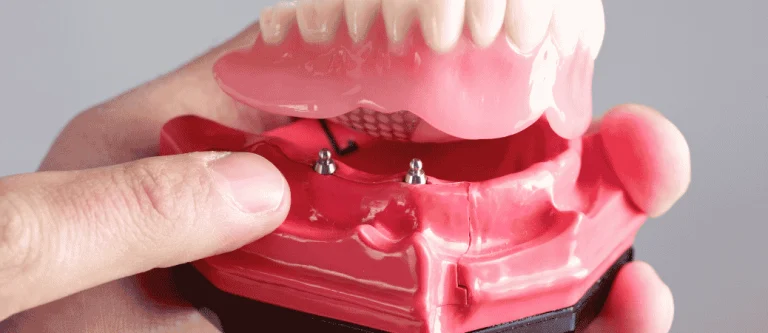
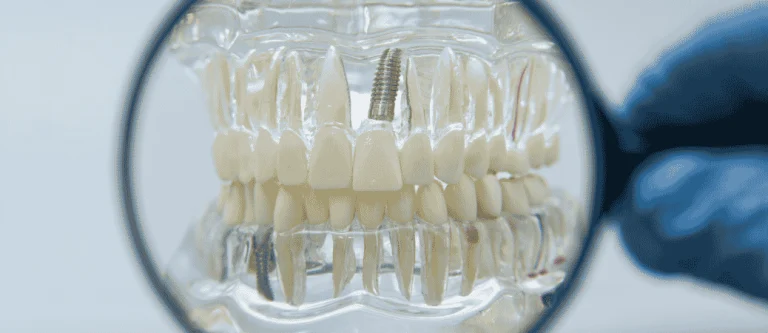
You found out you may need a bone graft before dental implant treatment, and now you have questions. The good news is that this extra step is common and helps create the support an implant needs.
You need bone grafting for dental implants when your jawbone is too thin or too soft to hold an implant securely, and a graft rebuilds that missing bone so the implant has a stable base.
Bone loss can happen after a tooth is pulled, from gum disease, after an injury, or from long-term denture use. A graft adds density and volume back to the area so your implant has something solid to hold onto.
Some people have plenty of healthy bones and can move straight to implant placement, while others need a small graft at the same time as the implant.
Below, you will learn how your dentist checks your jawbone, the signs that point to a graft, the different graft types, and what healing usually looks like so you know what to expect before you say yes to treatment.
Key Takeaways
- Your jawbone thickness and density decide whether an implant can be placed right away or needs a graft first.
- X-rays, scans, and an exam help your dentist plan the right graft type for your situation.
- Grafted bone needs months to heal before the implant goes in, which supports long-term implant success.
Table of Content
- How Jawbone Support Affects Implant Treatment
- Signs You May Need a Graft Before an Implant
- Assessment and Treatment Planning
- Graft Options and Techniques
- Procedure, Healing, and Next Steps
- Frequently Asked Questions
How Jawbone Support Affects Implant Treatment
Your jawbone acts as the foundation for a dental implant, so its size, shape, and strength shape almost every part of your treatment plan. When bone is thin, short, or soft, your dentist has to adjust the plan or rebuild the site first.
Why Bone Volume, Height, and Density Matter
An implant post needs bone around it in every direction, not just underneath it. Your dentist measures the available bone height, width, and density to determine whether there is enough support for stable implant placement.
The position of nearby nerves and sinuses is also considered during treatment planning.
Bone density matters too. Dense bone grips the implant right away, while soft bone lets it shift during healing.
Your dentist also measures the space between the planned implant and nearby structures. A safe margin of at least 2 mm is usually kept from the nerve canal in your lower jaw and the sinus above your upper back teeth.
That is why bone quality is checked with a CBCT scan instead of a flat X-ray. A 3D image shows height, width, and density all at once.
Osseointegration and Implant Stability
Osseointegration is the process where your bone cells grow onto the titanium surface and lock the implant in place. It usually takes several months.
Good bone quality helps that bond form faster and more completely. Poor bone can slow it down or leave gaps between bone and implant.
Think of it like a fence post: bone density decides how firmly the implant anchors in your jaw, both right after surgery and years later.
Stability matters for chewing, too. Every bite sends force through the implant into the bone around it, and healthy bone spreads that pressure out.
If the bond never fully forms, the implant can loosen. That is one of the more common reasons for implant failure.
How Bone Loss Can Affect Facial Structure
Your jawbone shrinks when tooth roots are no longer there to stimulate it. This can start within months of losing a tooth.
Over time, the ridge of bone gets shorter and narrower. Common causes of jawbone loss include gum disease, extractions, and trauma, along with wearing dentures for many years.
That loss can change how your face looks:
- Sunken cheeks where back teeth used to be
- Lips that lose support and look thinner
- A shorter distance between your nose and chin
- Deeper wrinkles around the mouth
Rebuilding the site helps in two ways. It gives the implant something solid to hold onto, and it helps restore the connection between jawbone health and facial support that keeps your profile looking natural.
Signs You May Need a Graft Before an Implant
Your jawbone can shrink or weaken for several reasons, and each one leaves clues your dentist can spot.
Missing teeth, gum disease, injuries, and years of denture wear are the most common causes behind a bone graft before implants.

Bone Loss After Tooth Loss or Extraction
Your jawbone needs pressure from chewing to stay strong. When a tooth root is gone, that area stops getting stimulation and slowly shrinks. This process is called bone resorption.
You might notice the gum over an old extraction site looks flat or dented compared to the rest of your ridge.
Other hints of long-term tooth loss include:
- Nearby teeth tipping or drifting into the gap
- A narrow ridge that feels sharp or thin under your gum
- Cheeks or lips that look less full than they used to
The longer a tooth has been missing, the more bone you tend to lose. That’s why dentists often bring up bone grafting after long-term tooth loss during implant planning.
Damage From Gum Disease and Dental Infections
Advanced gum disease doesn’t just irritate your gums. Periodontal disease breaks down the bone that holds your teeth in place, and that damage doesn’t grow back on its own.
Watch for these warning signs:
- Gums that bleed when you brush or floss
- Gums pulling away from your teeth
- Teeth that feel loose or shift when you bite
- Bad breath that keeps coming back
- Pus or swelling near the gum line
A dental infection or abscess can also eat away at bone around a tooth root. If an infected tooth was pulled, the socket may be left with a hollow spot or thin walls.
Your dentist will treat the gum disease first. Grafting comes after the area is clean and healthy.
Effects of Trauma and Long-Term Denture Use
A fall, sports injury, or car accident can crack or dent your jawbone. Even if the tooth was removed years ago, the bone in that spot may still be thin or uneven.
Signs of past trauma include a bite that feels off, lingering soreness, or numbness in the area.
Long-term denture use causes a different problem. Dentures rest on your gums instead of anchoring into bone, so the ridge underneath keeps shrinking year after year.
You may notice your dentures slipping more often, sore spots that show up in new places, or the need for frequent relines.
Many long-time denture wearers need ridge augmentation to rebuild lost width before an implant placement.
When Severe Bone Loss Requires Added Planning
Sometimes the bone loss is large enough that a simple graft isn’t sufficient. Your dentist will use a CBCT scan to measure exact height and width in millimeters at the implant site.
Situations that call for extra steps include:
| Situation | What It May Require |
| Not enough height in the upper back jaw | A sinus lift to raise the sinus floor |
| A very narrow ridge | Ridge augmentation or a ridge split |
| Large defects from a failed implant | Staged grafting, done in two visits |
| Bone near the lower jaw nerve | Careful mapping and possible block grafting |
With staged treatment, you heal from the graft first and get the implant several months later. Healing usually takes 3 to 6 months, though sinus grafts can need 4 to 9 months depending on how much material was placed.
Assessment and Treatment Planning
Before anyone talks about grafting, your implant dentist needs a clear picture of your mouth, your bone, and your health history.
That picture comes from a hands-on exam, detailed scans, and a decision about timing that fits your situation.
Clinical Examination and Oral Health Review
Your first visit usually starts with questions, not tools. Your dentist will ask about medications, diabetes, past gum disease, smoking, and any grinding habits, since these factors affect implant success.
Then comes the exam. An implant dentist, periodontist, or oral surgeon will check your gum health, probe for pockets, look at gum thickness, and measure the space where the tooth is missing.
They also check your bite and how much room you have between teeth. Active gum infection or untreated decay needs care first, because healthy tissue supports better healing after implant surgery.
Bring a list of your medications and supplements. It saves time and helps your team plan safely.
Using Digital X-Rays and 3D Imaging

Digital x-rays give a quick, flat view of your roots and bone height. They are helpful, but they cannot show width or the true shape of your jaw.
That is where a CBCT scan comes in. Cone beam computed tomography creates 3D imaging of your jaw in about 20 to 40 seconds, letting your dentist measure bone in three directions.
With that scan, your team can see:
- Bone height and width at the implant site
- Bone quality and bone density
- The position of your sinus and nerves
- Any hidden infection or cysts
The decision about grafting depends on imaging, bone condition, and your goals. Many offices also use the scan file to plan dental implant placement with a surgical guide.
Choosing Between Staged and Same-Day Placement
Once the scan is reviewed, you and your dentist pick a timeline.
In a staged approach, the graft goes in first and you wait, often four to nine months, before implant surgery. This is common when a large amount of bone is missing.
In a same-day approach, the graft and implant are placed together in one visit. This works when enough solid bone already exists to hold the implant steady.
Some cases allow combined treatment, while others do better with separate steps. Your dentist will weigh bone volume, the site’s location, and healing risks like smoking.
Ask how many visits each option takes. Knowing the full treatment plan upfront makes budgeting and scheduling much easier.
Graft Options and Techniques
Your dentist can rebuild bone using tissue from your own body, from a donor, from an animal, or from lab-made materials. The method they choose depends on how much bone is missing, where the gap sits, and whether the implant goes in the same day or later.
Autografts, Allografts, and Xenografts
An autograft uses your own bone, usually taken from the back of your lower jaw, your chin, or sometimes your hip. Autogenous bone contains living cells, so many surgeons still treat it as the benchmark for new bone growth.
An allograft uses processed donor bone from a tissue bank. It saves you a second surgical site, which means less discomfort and a shorter appointment.
A xenograft comes from an animal, most often a cow. The tissue is treated until only the mineral structure remains, and that structure acts as a scaffold your own bone can grow into.
| Graft type | Where it comes from | Key trait |
| Autograft | Your own jaw or hip | Contains your living bone cells |
| Allograft | Human tissue bank | No second surgery site |
| Xenograft | Animal bone, usually bovine | Slow-resorbing scaffold |
Each option has different properties that help bone form, and your surgeon may even mix two types in one site.
Synthetic Bone Substitutes and Alloplasts
An alloplast is a lab-made graft, so no human or animal tissue is involved. Common ingredients include hydroxyapatite, beta-tricalcium phosphate, and bioactive glass.
These materials work as a frame. Your body slowly replaces parts of the frame with real bone over several months.
Synthetic bone substitutes appeal to patients who prefer to avoid donor tissue for personal or religious reasons. They also come in a steady, predictable supply and carry no risk of disease transfer.
Research comparing bone grafts and substitutes in dentistry shows these products can support implant placement well, though results vary by product and by how much bone you need.
Many grafts are covered with a membrane. The membrane keeps gum tissue out of the space so bone has room to fill in.
Socket Preservation and Ridge Augmentation
Socket preservation happens right after a tooth comes out. Your dentist packs graft material into the empty socket and covers it, which limits the shrinking that normally follows an extraction.
This is a minor bone graft. It usually adds only a few minutes to your extraction visit and can spare you a bigger procedure later.
Ridge augmentation is the fix when bone has already collapsed. Graft material is placed along the width or height of the jaw ridge to rebuild a base wide enough for an implant.
A ridge split or bone block may be used for larger defects. Healing here often takes four to nine months, and the full grafting procedure and timeline depend on how much bone your surgeon needs to build.
Sinus Lifts for Upper Back Teeth
Your sinuses sit directly above your upper molars and premolars. When those teeth are gone, the bone thins and the sinus can drop lower, leaving too little height for an implant.
A sinus lift adds bone in that space. The surgeon gently raises the sinus membrane and places graft material underneath it.
Two common approaches exist:
- Lateral window: access through the side of the jaw, used when a lot of height is needed
- Osteotome (crestal) technique: a smaller sinus expansion through the implant site itself, used for modest gains
Healing usually runs several months before the implant goes in, though sometimes both happen together. Ask your surgeon whether your case allows an implant at the same visit or needs two stages.
Procedure, Healing, and Next Steps
A dental bone graft procedure is usually a short outpatient visit, and most of the work happens after you go home while your body builds new bone.
Knowing the timeline helps you plan your implant placement and spot problems early.
What Happens During Graft Placement

Your dentist or oral surgeon numbs the area with local anesthesia. If you feel nervous, ask about sedation options like nitrous oxide or oral sedatives.
Next, a small incision opens the gum so the surgeon can see the bone. The surgical site is cleaned, and the graft material is packed into the area that needs more height or width.
Graft material can come from your own body, a donor, an animal source, or a lab-made mineral. Your surgeon picks what fits your case.
A protective membrane often covers the graft. This thin barrier keeps gum tissue from growing into the space so bone cells have room to work.
Stitches close the gum, and you rest for a few minutes before heading home. Most single-site grafts take 45 to 90 minutes.
Bone Healing Timelines Before Implant Placement
Bone regeneration is slow and steady. Your body replaces the graft material with your own bone over several months.
| Stage | Typical Timeframe | What’s Happening |
| Initial healing | About 1 week | Gum tissue closes, swelling fades |
| Early bone formation | 4–8 weeks | Cells move in and start building |
| Bone maturation | 3–6 months | New bone hardens and gains density |
| Large or complex grafts | 9–12 months | Sinus lifts and block grafts need more time |
Most patients get cleared for implants after at least three months. Bigger grafts take longer.
Your surgeon confirms readiness with an X-ray or CBCT scan. The full path from graft to finished crown often runs 9 to 15 months.
Once healing is complete, your dentist will recommend the appropriate timing for implant placement based on your bone and treatment plan.
Recovery Tips and Post-Operative Care
Follow your post-operative instructions closely. They matter more than anything else for implant success.
Do these things:
- Hold ice packs on your cheek for 15 minutes at a time during the first 24 hours
- Sleep with your head propped up to limit swelling
- Stick to soft foods like yogurt, eggs, and soup for several days
- Keep up gentle oral hygiene, brushing other teeth normally
- Take antibiotics and pain medication exactly as prescribed
Skip these:
- Smoking or vaping, which slows bone healing significantly
- Straws, spitting, or forceful rinsing
- Alcohol for about two weeks
- Heavy lifting and hard workouts for at least 48 hours
Tenderness, bruising, and puffiness are normal for a week or two. You may also notice tiny bone fragments that feel like grains of sand; that’s typical during bone graft recovery.
Warning Signs That Need Prompt Dental Advice
Call your dental office if you notice any of the following:
- Pain that gets worse after day three instead of better
- Swelling that spreads or grows after 72 hours
- Fever above 101°F or chills
- Pus, a foul taste, or a bad smell near the site
- Bleeding that won’t stop with gentle pressure
- Stitches coming loose or graft exposure, where you can see white or gray material through the gum
- A large amount of granular material washing out
These can point to infection or graft failure, and early treatment often saves the graft. Quick action also protects your timeline for the implant.
Frequently Asked Questions
Bone grafting comes with a lot of questions, from who actually needs one to how long healing takes and what it costs. Here are clear answers to the questions people ask most before scheduling implant surgery.
Who needs a bone graft before getting a dental implant?
You may need a graft if your jawbone is too thin, too short, or too soft to hold an implant firmly in place.
This often happens after a tooth has been missing for a while. Bone in that area starts to shrink within months of losing a tooth.
Other common reasons include advanced gum disease, jaw injuries, and years of wearing dentures. Some people simply have less bone in certain spots from birth.
Not everyone needs one, though. A 3D scan during your consultation shows exactly how much bone you have, and imaging determines whether grafting is recommended in your case.
Why is bone grafting sometimes necessary for dental implants?
An implant is a small post placed into your jaw. Bone grows around it and locks it in place, which is what makes it stable enough to chew with.
Without enough bone, there’s nothing solid for the post to hold onto. The implant could loosen or fail.
A graft adds material to the weak area so new bone can form. That extra support improves implant stability and long-term success.
Grafting can also protect nearby structures, like your sinus cavity in the upper jaw, where bone is often thinner.
How long does it take for a dental bone graft to heal before implant placement?
Most grafts need about 3 to 6 months to heal before an implant placement.
The timeline depends on a few things:
- Size of the graft: small grafts heal faster than large ones
- Location: upper jaw sites like sinus lifts often take longer
- Your health: smoking, diabetes, and age all affect healing speed
A small graft placed right after an extraction may be ready sooner. Larger rebuilds take more time, and grafting can add four to nine months to your overall implant schedule.
Your dentist will take another scan before placing the implant to confirm the bone is ready.
How much does a dental bone graft typically cost?
Prices vary a lot. Costs generally run from a few hundred to several thousand dollars, depending on the work involved.
Four things drive the price:
- The type of graft material (donor bone, animal-derived, or synthetic)
- How much material is needed
- How complex the surgery is
- Whether it’s bundled into a larger implant treatment plan
A simple socket graft after an extraction sits at the low end. A sinus lift or major jaw rebuild costs considerably more. If you’re considering the full treatment investment, learning why dental implants are worth the cost can help you understand their long-term value.
Your total cost depends on the type and extent of grafting needed. Ask the dental team for a personalized estimate and information about available financial options.
Can I get a dental implant without a bone graft if I have bone loss?
Sometimes, yes. It depends on where the bone loss is and how much you’ve lost.
Full arch options like All-on-4 angle the implants to reach areas where bone is still thick. This approach can reduce or remove the need for grafting for some patients.
Short implants and narrow-diameter implants are other options when bone height or width is limited.
There’s also a middle path. If only a small amount of bone is missing, your surgeon may place the graft and the implant during the same appointment.
Your dentist will review your scan and tell you honestly which choices are realistic for your jaw.
How can I help my dental bone graft heal properly?
A lot of the outcome depends on what you do in the first couple of weeks.
Do:
- Stick to soft foods like yogurt, eggs, and smoothies at first
- Take any prescribed antibiotics exactly as directed
- Keep your mouth clean, gently rinsing as your dentist instructs
- Use ice packs for swelling in the first 48 hours
- Show up for follow-up visits
Avoid:
- Smoking and all nicotine products, which slow healing
- Drinking through a straw
- Poking the site with your tongue or finger
- Hard, crunchy, or sticky foods
- Alcohol during early recovery
Mild soreness and swelling for a few days is normal, and over-the-counter pain relievers usually handle the discomfort.
Call your dentist if you notice heavy bleeding, a fever, or pain that gets worse after day three instead of better.