Choosing someone to place your dental implants is a decision that affects how you eat, speak, and smile for years to come.
If you’re wondering how to choose an implant dentist in Gainesville, FL, focus on the provider’s training, implant experience, technology, treatment planning, and approach to follow-up care.
This article gives you seven direct questions to ask before booking implant surgery.
Each one is designed to help you compare training, technology, treatment planning, and follow-up care so you can make a choice that protects both your oral health and your budget.
Asking these questions before you commit to treatment can reveal real differences in experience, planning, and long-term support, even among providers who look similar online.
Replacing missing teeth is not a one-size-fits-all process, and a good implant dentist will welcome your questions rather than rush past them.
Key Takeaways
- Ask about training, case volume, and imaging technology to gauge an implant dentist’s hands-on experience.
- Compare written treatment estimates carefully, since implant pricing varies based on grafting, restoration type, and number of teeth.
- Confirm who handles surgery, coordination, and follow-up care so nothing falls through the cracks after your procedure.
Table of Content
- Questions About Training and Implant Experience
- Questions About Planning and Surgical Care
- Questions About Your Restoration, Cost, and Follow-Up
- Making a Confident Choice for Your New Smile
- Frequently Asked Questions
Questions About Training and Implant Experience
An implant dentist’s training and case history tell you more about likely outcomes than any advertisement can.
Dental implants involve surgical placement in the jawbone, and the skill required goes beyond what is covered in general dental school training.
Question 1: What Implant-Specific Training Do You Have?
Ask whether your dentist has completed additional coursework, residencies, or certifications specifically focused on implant dentistry.
General dentists can place implants, but pursuing focused training in the relationship between gums, bone, and restorations gives added assurance that your implants will function well long-term.
A clear answer sounds like specific program names, continuing education hours, or a description of how they stay current with implant techniques.
A vague answer, such as “I’ve done a few,” is worth following up on before you schedule surgery.
At Gainesville Dentistry Co., Dr. Greg Feldman has completed more than 1,800 hours of continuing education and holds Fellowship and Mastership credentials with the Academy of General Dentistry, along with Fellowship in the International Congress of Oral Implantologists.
Question 2: How Many Cases Like Mine Have You Completed?
Ask how many patients with your specific situation, whether that’s a single missing tooth, multiple gaps, or a full arch, the dentist has treated.
Experience with your particular case type matters more than a general implant count, since a single-tooth implant and a full-mouth restoration involve different planning and skill.
A confident dentist will describe outcomes in plain terms and may share before-and-after examples or refer you to patient reviews or testimonials.
If a provider hesitates to answer or gives only rough estimates, ask for more detail before moving forward.
Questions About Planning and Surgical Care
Modern implant planning relies on detailed imaging and clear coordination between everyone involved in your care.
These two questions help you understand how precisely your treatment will be mapped out and who is responsible for each step.

Question 3: Which 3D Imaging and Digital Planning Tools Will You Use?
Ask whether your dentist uses 3D cone beam imaging or digital planning software to map your jawbone before surgery.
This technology lets the dentist see bone density, nerve location, and sinus position in detail, which supports more precise implant placement than X-rays alone.
A reassuring answer names the specific imaging system and explains how it shapes your treatment plan. If a provider cannot describe their imaging process clearly, ask how they plan implant placement without it.
Question 4: Who Handles Surgery and Coordinates My Care?
Ask directly whether the dentist you’re meeting with performs the surgical placement, or whether you’ll be referred to an oral surgeon or periodontist.
At Gainesville Dentistry Co., implant placement and restoration can be coordinated within the practice, while some dental offices may coordinate treatment with outside specialists.
Either approach can produce good results, but you deserve clarity on who is responsible for each phase.
Ask how the team communicates if more than one provider is involved, since gaps in communication can slow healing or complicate follow-up visits.
Questions About Your Restoration, Cost, and Follow-Up
Your implant journey does not end with surgery. These final three questions cover the restoration itself, the true cost of treatment, and the support you can expect during healing.

Question 5: Which Tooth-Replacement Option Fits My Needs?
Ask your dentist to explain why they recommend a crown, bridge, or implant-supported denture for your specific case.
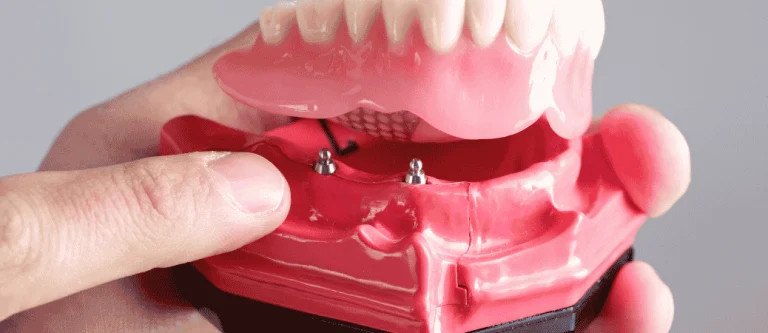
Dental implants can support a single crown, a fixed bridge, or a full denture, and the right option depends on how many teeth are missing, your bone density, and your budget.
Traditional dentures remain a reasonable option for some patients, particularly those who prefer a removable solution or have significant bone loss.
A good dentist will walk you through the pros and cons of dental implants compared with dentures and bridges without pressuring you toward the most expensive choice.
If bone grafting is recommended first, ask how that step affects your timeline.
Question 6: What Does the Written Treatment Estimate Include?
Ask for a written estimate that breaks down every phase of treatment, including consultation, imaging, extractions, grafting, implant placement, and the final restoration.
Implant costs vary widely based on how many teeth need replacing and whether preparatory procedures like bone grafting or periodontal therapy are needed first.
| Cost Factor | What to Confirm |
| Consultation and imaging | Included in initial fee or billed separately |
| Bone grafting or extractions | Estimated cost if needed before implant placement |
| Implant placement surgery | Per-implant fee and anesthesia or sedation costs |
| Final restoration | Crown, bridge, or denture fee, separate from implant fee |
| Insurance and financing | What your plan covers and available payment options |
Question 7: What Follow-Up Care and Support Are Provided?
Ask what happens if you experience discomfort, swelling, or an issue with your restoration after surgery.
Healing after implant placement takes time, so knowing how to reach your dental team with questions or concerns during recovery matters.
A solid answer includes scheduled follow-up visits, clear home-care instructions, and a direct way to reach the dental team if you have concerns.
Ask specifically how the practice supports patients through the dental implant recovery timeline, since healing pace varies from person to person.
Making a Confident Choice for Your New Smile

Choosing an implant dentist comes down to how clearly they answer these seven questions, not how polished their marketing looks.
A provider who welcomes questions about training, imaging, coordination, and cost is showing you how they’ll communicate throughout your treatment.
Take notes during your consultations and compare answers side by side.
Pay attention to whether the dentist explains tradeoffs honestly, including situations where a bridge or denture might serve you better than an implant.
Replacing missing teeth is a process that unfolds over months, not days.
Your oral health, comfort, and confidence depend on choosing a team that treats your questions as part of good care rather than an inconvenience.
Frequently Asked Questions
How do I find a qualified implant dentist in Gainesville, FL?
Start by asking about implant-specific training, case experience, and imaging technology during a consultation.
Local directories can point you to nearby providers, but the questions in this article help you judge quality once you’re comparing specific dentists.
Are dental implants better than dentures for missing teeth?
Dental implants and dentures can both replace missing teeth, but they work differently.
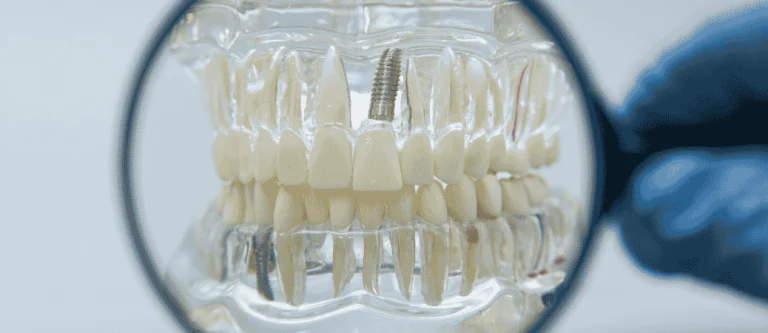
Dental implants replace missing tooth roots and provide stable support for replacement teeth, while dentures are removable and do not require implant placement.
How long does the dental implant process take?
Dental implant treatment often takes several months and may include consultation, preparatory procedures, implant placement, healing, and the final restoration.
Your timeline depends on your oral health, whether additional treatment is needed, and how your bone and tissues heal.
Does dental insurance cover implant treatment?
Coverage varies by plan, and some insurance policies cover portions of implant treatment while others exclude it entirely.
Ask your dentist’s office to review your specific benefits and explain what a written treatment estimate covers before you commit to a payment plan.
Can I get dental implants if I have bone loss?
Bone loss does not automatically rule out dental implants. In some cases, bone grafting may help create additional support for implant placement.
Your dentist will evaluate your bone structure through imaging and recommend grafting or other preparatory steps if your jawbone needs reinforcement first.