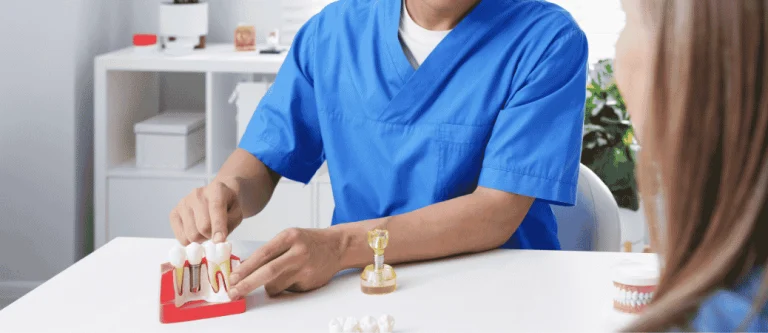
You may have lost a tooth years ago and wonder if you waited too long to fix it. Gaps from a missing tooth can change how you chew, speak, and feel about your smile. It’s normal to worry that too much time has passed.
Yes, you can often get a dental implant years after tooth loss, as long as your jawbone and gums are healthy enough to support it.
Even if bone has shrunk over time, treatments like bone grafting can rebuild support and make dental implants possible.
Your dentist will check your bone level, gum health, and overall health before planning care. When you understand your options, you can decide if a dental implant is the right long-term fix for your missing tooth.
Key Takeaways
- You can often replace a missing tooth with a dental implant even years after tooth loss.
- Bone and gum health decide if you qualify, and added treatment may rebuild support.
- Dental implants offer a stable, long-term option when planned and cared for properly.
Table of Content
- How Tooth Loss Affects the Jaw Over Time
- Eligibility for Dental Implants Years Later
- Addressing Bone Loss: Grafting and Regeneration Techniques
- The Dental Implant Process After Years of Tooth Loss
- Comparing Tooth Replacement Options for Long-Term Gaps
- Caring for Implants and Maintaining Long-Term Success
- Frequently Asked Questions
How Tooth Loss Affects the Jaw Over Time
When you lose a tooth, the change does not stop at the empty space. Your jawbone after tooth loss begins to shrink, nearby teeth start to move, and your bite can shift in ways you may not notice at first.

Bone Resorption and Jawbone Changes
After tooth loss, your body no longer receives chewing pressure in that area. This lack of stimulation triggers bone resorption, a natural process where the jawbone breaks down and shrinks.
Bone loss often starts within the first few months. Research shows that the biggest changes often happen early, especially in the width of the bone.
You may not feel this happening. However, the ridge that once held your tooth can become thinner and shorter over time.
In the upper jaw, the sinus can slowly expand into the empty space. In the lower jaw, the ridge can flatten. Both changes can make placing a dental implant more complex years later.
Shifting of Teeth and Changes in Bite
A missing tooth affects more than the bone. Your nearby teeth may begin to drift into the open space.
Teeth next to the gap can tip sideways. The tooth above or below the space may move up or down. This process is called supereruption.
These movements can change how your teeth fit together. You may notice:
- Uneven wear
- Food getting stuck more often
- Jaw soreness when chewing
- Changes in your bite alignment
Even small shifts can make future treatment harder. If teeth lean too far, your dentist may need to move them before placing an implant.
Impact on Jawbone Density and Oral Health
As bone resorption continues, your jawbone health can decline. Less bone density means less support for future implants.
Long-term tooth loss can also affect your face. The jawbone supports your lips and cheeks. When bone shrinks, your face may look slightly sunken around the missing tooth area.
You may also face higher risk of gum problems. When teeth shift, they create tight spaces that trap plaque.
Many dentists explain that bone loss can continue for years after a tooth is gone, which is why early planning matters. Even if time has passed, options like bone grafting can rebuild support.
Understanding how your jawbone after tooth loss changes over time helps you plan the right treatment at the right stage.
Eligibility for Dental Implants Years Later
You can often get dental implants even many years after losing a tooth. Your dentist will focus on your jawbone density, gum health, and overall medical history before planning implant surgery.
Is It Too Late for a Dental Implant?
In most cases, it is not too late for a dental implant, even if you lost your tooth years ago. Many people get a dental implant years after losing a tooth and still have strong results.
However, time does affect your jawbone. When a tooth root is gone, the bone in that area begins to shrink. Most bone loss happens in the first few years after extraction.
If bone loss has occurred, your dentist may suggest a bone graft before implant surgery. This procedure builds up the bone so it can hold the implant securely.
There are limits. If bone loss is severe and cannot be rebuilt, dental implants may not be an option. A detailed exam will confirm what is possible in your case.
Factors That Affect Suitability
Several factors decide if you qualify for dental implants years later. Your dentist will look at:
- Jawbone density and volume
- Gum health
- Chronic health conditions
- Tobacco or heavy alcohol use
- Age and healing ability
Healthy gums are important. Untreated gum disease can weaken the tissue and bone that support the implant.
Certain medical conditions, like uncontrolled diabetes or immune disorders, can slow healing after implant surgery. Smoking also reduces blood flow to your gums, which increases the risk of implant failure.
Age alone does not disqualify you. Many older adults receive dental implants successfully, as long as their jawbone health and overall health support healing.
Importance of Jawbone Evaluation
Your jawbone health plays a central role in long-term implant success. Dental implants fuse to your bone in a process called osseointegration. Without enough strong bone, the implant cannot stay stable.
Your dentist will take X-rays or 3D scans to measure jawbone density and thickness. These images show whether the bone can support the implant or if you need a graft first.
If you have experienced bone loss, you still may qualify. Many patients rebuild bone before placement.
A careful jawbone evaluation gives you clear answers. It helps you understand your options and reduces the risk of problems after implant surgery.
Addressing Bone Loss: Grafting and Regeneration Techniques
When you lose a tooth, your jawbone shrinks over time. Dentists use bone grafting and other regeneration methods to rebuild jawbone density so you can support a stable implant.
Bone Grafting Strategies
After a tooth comes out, the bone that once held it can shrink by a large amount.
Research shows that up to half of the bone width can be lost after extraction, especially on the outer side of the ridge, which explains why bone grafting after tooth removal often becomes necessary.
A bone graft adds volume and strength to areas that lack enough support for implant placement. Your dentist may use your own bone, donor bone, or synthetic material.
The goal is simple:
- Restore lost jawbone density
- Create a stable base for an implant
- Prevent further bone shrinkage
A graft can work years after extraction. Many patients still qualify for implants with the help of dental implants after old extraction, especially when bone grafting rebuilds the missing structure.
Sinus Lift and Guided Bone Regeneration
If you lost an upper back tooth, the sinus cavity may expand into the empty space. This leaves very little bone for implant placement.
A sinus lift solves this problem. Your surgeon gently raises the sinus membrane and places a bone graft underneath it. This increases bone height in the upper jaw so an implant can sit securely.
Another option is guided bone regeneration. In this method, your dentist places a special membrane over the graft.
The membrane protects the area and blocks soft tissue from growing into the space. This allows bone cells to rebuild the site properly.
These techniques improve jawbone density in areas that would otherwise be too thin or too soft for an implant.
Healing and Preparation for Implant Placement
Healing takes time, and patience matters. Initial recovery from a dental bone graft usually takes about a week, but the graft itself needs several months to fully bond with your natural bone.
In many cases, healing takes at least three months, and larger grafts may take longer.
During healing, you may notice swelling, mild pain, or small bone particles. These effects are normal and usually fade within one to two weeks.
Your dentist will monitor the site with exams and imaging. Once the graft becomes solid and stable, you can move forward with implant placement.
A strong, healed graft gives your implant the support it needs for long-term function.
The Dental Implant Process After Years of Tooth Loss
You can still move forward with the dental implant process even if you lost your tooth years ago. Your dentist will focus on bone health, careful implant placement, and proper healing to give the implant post strong support.

Consultation and Digital Imaging
Your dentist starts with a full exam of your teeth, gums, and jaw. They check for bone loss, gum disease, and signs of infection.
Digital X-rays and 3D scans show how much bone remains in the area. After tooth loss, bone can shrink quickly. In fact, up to 50% of bone width can shrink within six months.
If your bone is too thin or soft, your dentist may suggest a bone graft. This adds volume so the implant post can stay stable.
You will also review your health history. Conditions like uncontrolled diabetes or heavy smoking can slow healing and raise the risk of implant failure.
Implant Post Placement and Osseointegration
During implant surgery, your dentist places a small titanium implant post into your jawbone. This post acts as a new tooth root.
The procedure usually takes one to two hours for one tooth. Your dentist numbs the area with local anesthesia. You may also choose sedation to stay relaxed.
After implant placement, your body begins a process called osseointegration. This means your bone grows around the implant post and locks it in place.
Osseointegration often takes three to six months. If you had a bone graft, healing may take longer.
You must keep the area clean and attend follow-up visits. Good home care helps the implant bond well with your bone.
Timeline and What to Expect
The full dental implant process after years of tooth loss can take several months. The exact timeline depends on your bone level and overall health.
Here is a simple breakdown:
| Step | What Happens | Typical Time |
| Consultation | Exam, scans, treatment plan | 1 visit |
| Bone graft (if needed) | Bone added to thin areas | 3–6 months healing |
| Implant surgery | Implant post placed | 1 visit |
| Osseointegration | Bone fuses to implant | 3–6 months |
| Crown placement | Final tooth attached | 1–2 visits |
You may feel mild swelling or soreness for a few days after implant surgery. Most people return to normal activity within 24 to 48 hours.
If your jawbone is healthy, you may skip bone grafting and shorten the timeline. Your dentist will explain each step clearly so you know what to expect at every stage.
Comparing Tooth Replacement Options for Long-Term Gaps
When you wait years to replace a missing tooth, your choices may change based on bone loss and shifting teeth. You still have several tooth replacement options, but each one affects your mouth in a different way.
Dental Implants vs. Dental Bridges
If you lost a tooth years ago, you may choose between a dental implant or a bridge. Both can fill a gap, but they work in very different ways.
A dental implant replaces the root and the crown. A surgeon places a titanium post in your jawbone, then attaches a custom crown on top. This option helps slow bone loss because the post stimulates the bone.
A dental bridge uses the teeth next to the gap for support. Your dentist reshapes those teeth and places crowns on them to hold a false tooth in the middle.
Here is a simple comparison:
| Feature | Dental Implant | Dental Bridge |
| Surgery required | Yes | No |
| Affects nearby teeth | No | Yes |
| Helps prevent bone loss | Yes | No |
| Typical lifespan | 15+ years | 10–15 years |
If your bone has shrunk over time, you may need a graft before getting an implant. A bridge may cost less upfront, but it does not protect the jawbone under the gap.
Implant-Supported Dentures
If you are missing several teeth, implant-supported dentures may give you more stability than regular dentures. Traditional dentures rest on your gums and can shift when you eat or speak.
Implant-supported dentures snap onto small implants placed in your jaw. These implants act like anchors. This design reduces movement and helps you chew with more force.
Snap-on dentures often cost more than standard dentures because they include both implants and the denture itself. However, many people prefer the added stability.
You may need enough healthy bone to hold the implants. If you have worn dentures for years, your dentist may check for bone loss before treatment.
Benefits of Implants to Restore Your Smile
Many people choose implants because they look and feel close to natural teeth. The crown matches your other teeth in shape and color, which helps restore your smile in a natural way.
Implants also help protect your oral health. When you leave a gap for years, nearby teeth can drift and the opposite tooth can move out of place. An implant fills the space and helps keep your bite stable.
You can learn more about the pros and cons of dental implants in this overview.
Unlike some dentures, implants do not slip or need adhesives. You brush and floss them much like natural teeth. With good care and regular dental visits, they can last for many years.
Caring for Implants and Maintaining Long-Term Success
Dental implants can last for decades when you care for them the right way. Daily cleaning and regular dental visits protect your gums, your jawbone health, and the stability of the implant post.

Preventing Peri-Implantitis
Peri-implantitis is an infection that affects the gum and bone around your implant post. It can damage bone and threaten osseointegration, which is the bond between the implant and your jaw.
You lower your risk by keeping plaque off the implant every day. Brush twice daily with a soft toothbrush and non-abrasive toothpaste. Clean along the gumline where bacteria collect.
Add these tools to your routine:
- Floss or implant-specific floss to clean around the post
- Interdental brushes for small gaps
- Water flossers to flush out debris
- Antibacterial mouth rinse if your dentist recommends it
See your dentist every 3–6 months for professional cleanings. They will measure the pockets around the implant and check for early signs of inflammation. Bleeding, swelling, or bad taste in your mouth should prompt a visit right away.
Avoid smoking. It slows healing and increases your risk of peri-implantitis.
Preserving Jawbone and Implant Health
Your implant stays stable because your jawbone grows around it during osseointegration. You protect that bond by keeping both your gums and bone healthy.
Healthy habits support jawbone health:
| Habit | Why It Matters |
| Daily brushing and flossing | Prevents infection that can cause bone loss |
| Routine X-rays | Detects early bone changes around the implant |
| Balanced diet with calcium and vitamin D | Supports bone strength |
| Night guard if you grind | Reduces stress on the implant post |
Avoid chewing ice, hard candy, or pens. Excess force can loosen the crown or stress the implant post over time.
If you notice mobility, pain when biting, or gum recession, schedule an exam. Early treatment protects the bone and helps your implant remain secure for years.
Frequently Asked Questions
You can often get a dental implant years after losing a tooth, but bone loss, healing time, and cost all play a role. Your dentist will check your jawbone, gums, and health history before building a treatment plan.
How long after a tooth is removed can you still get a dental implant?
You can get a dental implant months, years, or even decades after a tooth is removed. Many dentists confirm that time alone does not disqualify you from treatment.
However, your jawbone changes over time. The longer you wait, the more likely you will need a bone graft before placing the implant.
Your dentist will use X‑rays or a 3D scan to measure your bone. If enough healthy bone remains, you may move forward without extra procedures.
What happens to your jawbone if you wait years to replace a missing tooth?
Your jawbone starts to shrink after you lose a tooth. This process is called bone resorption.
Studies show you can lose up to 25% of the bone width in the first year after extraction. Bone loss continues slowly after that.
As the bone shrinks, nearby teeth may shift into the empty space. Your bite can change, and your face may look slightly sunken in that area.
If too much bone is lost, you may need a graft to rebuild support before implant surgery.
Is it better to get an implant immediately after extraction or wait to heal?
Some dentists place implants right after extraction. Others wait a few weeks or months to allow healing.
Immediate placement can help preserve bone and shorten total treatment time. But it only works if there is no infection and enough stable bone.
If you wait years, you can still move forward with treatment. You may need extra steps like bone grafting, which can add several months to your timeline.
Your dentist will choose the timing that fits your bone condition and overall health.
Can you get a dental implant 10 or 20 years after a tooth was lost?
Yes, you can often get an implant 10 or even 20 years later. Many specialists explain that it is rarely “too late,”.
The key factor is bone volume, not the number of years that have passed. If your bone has thinned, a graft can rebuild it.
Your dentist will also check your gums and medical history. Conditions like uncontrolled diabetes or active gum disease must be treated first.
How painful is the dental implant process and recovery?
Most patients report mild to moderate discomfort, not severe pain. Your dentist will numb the area during surgery, so you should not feel sharp pain.
After the procedure, you may have swelling and soreness for a few days. Over‑the‑counter pain medicine often controls this well.
If you need a bone graft, healing may take longer. You will likely return to normal daily activities within a few days after implant placement.
How much do dental implants usually cost?
Dental implant costs vary by location and complexity. A single implant with the post, abutment, and crown often ranges from $3,000 to $5,000 in the United States.
If you need bone grafting or a sinus lift, your total cost will increase. Insurance plans may cover part of the crown but often do not cover the full implant.
Ask your dental office for a written estimate. Many clinics offer payment plans to help spread out the cost.