Getting veneers can feel like a fresh start for your smile, and most people settle right into eating normally within a week or two.
Still, a few common foods carry real risk for chipping, loosening, or staining your new veneers if you’re not careful with how you eat them.
The good news is that protecting your investment doesn’t mean giving up your favorite meals.
Dental veneers are thin shells bonded to the front of your teeth, and knowing which foods that damage veneers pose the greatest risk can help you avoid unnecessary chips, stains, and wear.
Knowing which foods pose the biggest risk, and how to prepare or pair them safely, lets you enjoy nearly everything on your plate without worry.
Whether you’re weighing cosmetic dental treatment or already have veneers in place, a little know-how goes a long way toward keeping your smile bright for years.
Key Takeaways
- Nine everyday foods and drinks, from ice to red wine, can increase the risk of chipping or staining veneers.
- Cutting hard produce into smaller pieces and rinsing after dark drinks lets you keep most foods in your diet.
- Good oral hygiene, a night guard if needed, and regular dental check-ups protect veneers far more than any single meal choice.
The Nine Choices to Limit First
A handful of foods and drinks account for most veneer complaints dentists hear about, and knowing them by name helps you spot risky moments before they happen.
These are the items worth extra thought, not total avoidance.
- Ice cubes. Chewing ice puts sudden, sharp pressure on veneer edges and can chip porcelain or composite material.
- Hard candies. Biting down on a jawbreaker or peppermint disc creates the same kind of concentrated force that cracks veneers.
- Popcorn kernels. The unpopped kernel hiding at the bottom of the bowl is a common culprit behind emergency dental visits.
- Caramel. Its sticky pull can tug at the bonding cement holding a veneer in place.
- Gummy candies. Like caramel, gummies stick to veneer surfaces and stress the bond with repeated chewing.
- Coffee. Its dark pigments settle into the surface of composite veneers and porcelain margins over time.
- Black tea and red wine. Both carry deep tannins that gradually dull a bright veneer shade.
- Dark soda. Coloring agents and acidity make it a double risk for both staining and enamel softening.
- Berries and other acidic foods. Blueberries and blackberries stain, while their natural acids can wear at veneer margins.
None of these foods require a permanent ban from your kitchen.
What Can You Eat Instead?
Most of what you already eat fits comfortably into a veneer-friendly diet, especially soft fruits, cooked vegetables, pasta, rice, eggs, and yogurt.
The goal is not restriction. It’s choosing preparation methods that keep bite force and stickiness in check.
Soft Meals That Are Easy on Veneers
Cooked vegetables, pasta, rice, eggs, and yogurt are gentle on veneers because they need very little bite force to chew.
These foods also tend to be low in the staining pigments found in coffee or dark sauces.
These softer foods may also feel more comfortable if your teeth or gums are temporarily sensitive after veneer placement.
Lean proteins like grilled chicken or baked fish round out a meal without adding risk. Smoothies and soups also work well on days when you want something filling but low-effort.
How to Handle Apples, Raw Carrots, and Other Crunchy Produce
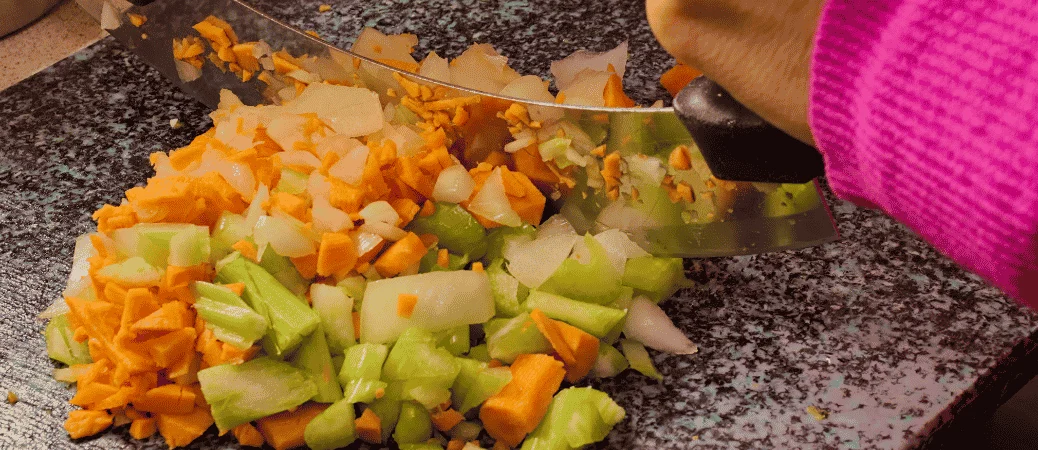
Apples, raw carrots, and other crunchy foods stay on the menu when you cut them into bite-size pieces instead of biting directly into them.
Biting straight into a whole apple concentrates a lot of force on your front teeth, which is exactly where veneers usually sit.
Slicing the apple or cutting carrot sticks into smaller lengths spreads that pressure out and lets your back teeth do more of the work.
This same trick applies to corn on the cob and crusty bread. Cut corn off the cob rather than biting straight across, and tear crusty bread into smaller pieces before eating.
Small adjustments like these keep crunchy, healthy foods part of your regular diet.
How Hard and Sticky Foods Cause Damage
Hard foods chip veneers through sudden force, while sticky foods loosen them by pulling at the bonding cement with every bite.
Understanding this difference helps explain why two very different snacks, like almonds and taffy, both end up on the same “use caution” list.

Why Ice, Nuts, and Popcorn Kernels Can Chip Veneers
Ice, nuts, hard candy, and popcorn kernels can chip veneers because biting directly into something rigid sends a sharp burst of force into a thin porcelain or composite shell.
Natural teeth can sometimes absorb that kind of stress better, but veneers are bonded layers with less give.
Hard and crunchy items can increase the risk of veneer chips and cracks, especially when you bite directly into them with your front teeth.
If you enjoy nuts, choose ones that are already chopped or slivered, and skip using your front teeth to crack shells. Save whole ice cubes for your drink, not your mouth.
Why Caramel, Taffy, and Gum Need Extra Caution
Caramel, toffee, taffy, chewing gum, and gummy candies need extra caution because their stickiness can pull at veneer margins and stress the bonding cement with repeated chewing.
Dried fruits and dates carry a similar risk since they’re both sticky and chewy.
If you choose sticky foods, chewing carefully with your back teeth may reduce direct stress on your veneers.
How Color and Acid Affect Veneer Appearance and Edges
Staining foods dull veneer color over time, while acidic foods and drinks can wear down veneer margins and soften the tooth structure underneath.
Porcelain veneers resist stains better than composite veneers, but neither material is stain-proof.
Which Staining Foods and Drinks Are Worth Limiting?
Coffee, tea, red wine, blueberries, blackberries, soy sauce, curry, and tomato-based sauces may contribute to staining or discoloration around veneers over time.
Balsamic vinegar belongs on this list too, since its dark color clings to enamel and veneer surfaces alike.
Composite material is more prone to picking up stains than porcelain, since porcelain has a smoother, less porous surface.
Rinsing with water right after a cup of coffee or a glass of red wine helps limit how long pigments sit on your veneers. This one habit makes a noticeable difference over months and years.
Why Acidic Drinks and Foods Deserve Moderation
Acidic foods and drinks deserve moderation because their acid content can wear at veneer margins and soften the natural tooth structure at the edges.
Citrus fruits like lemons, oranges, and grapefruits, along with vinegar-based dressings, soda, sports drinks, and energy drinks, all fall into this category.
Pickles and other fermented foods carry acidity too, even though they’re not always thought of as “acidic” foods.
Using a straw for acidic drinks may reduce direct contact with your front teeth, but rinsing with water afterward can also help limit prolonged acid exposure.
Small Habits That Preserve Your Smile
Daily habits like gentle brushing, rinsing after staining foods, and wearing a night guard if you grind your teeth protect veneers more consistently than any single food choice.
Small, repeatable routines add up over years of wear.
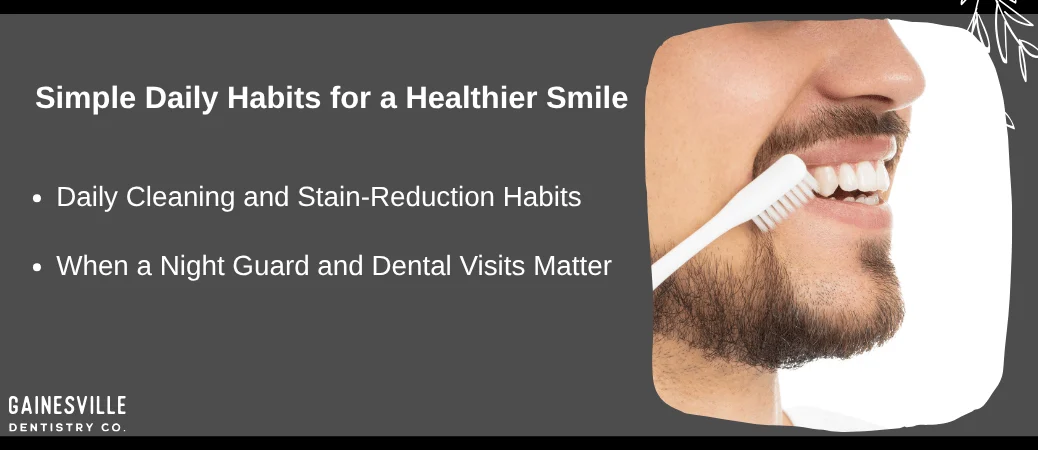
Daily Cleaning and Stain-Reduction Habits
Brushing with a non-abrasive toothpaste and a soft-bristled toothbrush keeps veneer surfaces smooth without scratching them.
Scratched surfaces attract stains more easily, so gentle cleaning actually protects your veneer’s color over time.
Rinsing with water after coffee, tea, or wine cuts down on pigment buildup between brushings.
Following these small steps alongside the tips in this guide to boosting your dental hygiene helps keep both your veneers and natural teeth looking their best.
When a Night Guard and Dental Visits Matter
A night guard protects veneers from the grinding forces that happen while you sleep, often without you realizing it.
If you wake up with jaw soreness or notice flattened edges on your veneers, a custom night guard from your dentist is worth asking about.
Using your teeth as tools, like opening packages or holding items, puts veneers at similar risk and is worth breaking as a habit.
Regular dental check-ups let your dentist catch small issues, like a hairline chip or a slightly loose edge, before they turn into bigger repairs.
At Gainesville Dentistry Co., Dr. Greg Feldman can also check your veneers, bite, and surrounding teeth for changes that may affect the long-term health and appearance of your smile.
Enjoying Everyday Foods While Protecting Your Veneers
Veneers are built to handle everyday meals, and most of the foods people worry about can stay in the rotation with small changes in preparation or timing.
Cutting apples and carrots into pieces, rinsing after coffee or wine, and saving sticky candy for occasional treats cover most of the risk without asking you to give up foods you enjoy.
Good oral hygiene, a night guard if you grind your teeth, and regular check-ups round out the rest of the picture.
If you’re weighing veneers as part of a broader cosmetic dentistry plan, ask your dentist what specific material you’re getting, since porcelain and composite veneers hold up a little differently to staining and daily wear.
Veneers reward a little care with a smile that stays bright for years. Small habits, not big sacrifices, are what keep that investment looking its best.
Frequently Asked Questions
What should I not eat with veneers?
The foods worth the most caution are hard items like ice, hard candy, and popcorn kernels, plus sticky items like caramel and gummy candies.
Staining drinks such as coffee, tea, and red wine, along with acidic foods like citrus and vinegar-based dressings, also deserve moderation.
None of these need to disappear from your diet entirely, but they’re the ones most linked to veneer damage.
Can I drink coffee or tea with porcelain veneers?
Yes, coffee and tea are safe to drink with porcelain veneers, since porcelain resists staining better than composite material.
Rinsing your mouth with water afterward helps limit pigment buildup on the surface and around veneer edges.
Regular professional dental cleanings also help keep any minor surface staining in check.
Can I eat apples and raw carrots with veneers?
Yes, as long as you cut them into bite-size pieces instead of biting directly into them.
Biting straight into whole apples or carrots puts concentrated force on your front teeth, right where veneers sit. Slicing them first spreads out the pressure and lowers the chance of a chip.
Does chewing gum damage veneers?
Very sticky or chewy foods can place additional stress around veneer margins.
If you regularly chew gum, ask your dentist whether there are any specific restrictions based on your veneer material and bonding.
Can acidic foods loosen dental veneers?
Acidic foods and drinks are more likely to wear down veneer margins and soften surrounding tooth structure than to loosen the veneer itself.
Citrus fruits, vinegar-based dressings, and soda are common examples worth eating in moderation. Rinsing with water after acidic meals helps protect both your veneers and your natural enamel.
What should I do if a veneer feels chipped or loose?
Call your dentist promptly if a veneer feels chipped, loose, or different from how it usually feels when you bite down. Waiting can allow small damage to worsen or expose the tooth underneath to decay.
Most minor veneer issues are straightforward to repair when caught early during a dental visit.